
PMax: The Spam Magnet
Why Google's Performance Max Ads Love Junk Leads (and How to Fix It)

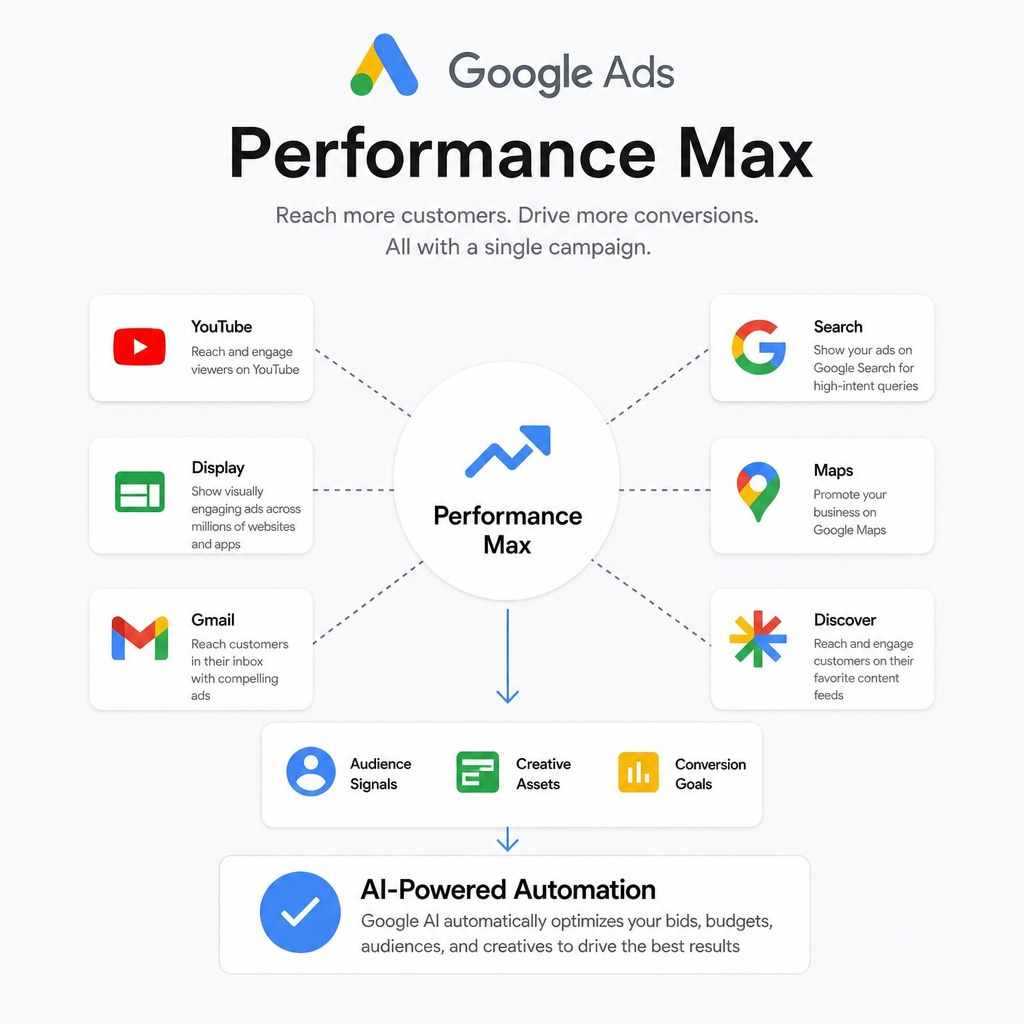
When Performance Max launched in November 2021, I was genuinely excited. Finally, Google’s AI would help us pull in more leads at a lower cost across every Google property. I was still thinking in terms of the classic marketing funnel, and PMax seemed like the perfect tool to support it.
Honestly? I should have known better.
My experience with Search Partners had already taught me a hard lesson: the reason we Google Ads specialists lean on Search Partners, Display, and Demand Gen (formerly Discovery Ads) is because they deliver low-cost leads. But those leads are cheap for a reason. Worse, the lack of transparency meant my only real option was to flip Search Partners off the moment a client flagged the quality issue.
And here’s the cold hard truth: when a client wastes ad spend on junk leads, Google doesn’t take the heat. We do. The specialists hired to catch this stuff are the ones left explaining the damage.
PMax Isn’t Search Partners… But It’s Close
I’m not saying Performance Max is just Search Partners 2.0, but the lead quality is eerily similar — sometimes worse. I’ve seen PMax campaigns for roofing companies attract job seekers instead of homeowners. I’ve seen bot-like form submissions that make me genuinely wonder whether click farms are involved somewhere in the pipeline. I don’t want to assume the worst, but it’s hard not to raise an eyebrow.
As someone who’s built a career managing Google Ads, I’ve learned how to navigate this. But what about the business owners getting pitched the dream by Google reps? The ones who launch a campaign themselves, follow every Google recommendation, and end up watching their budget evaporate? Good luck getting that refund.
It’s been a few years since PMax rolled out, and most seasoned Google Ads managers now understand how this AI actually behaves. If you’re a business owner or marketer running (or considering) PMax campaigns, this is the playbook you need to avoid getting taken for a ride by Google’s algorithm.
How to Launch a PMax Campaign That Actually Works for You
1. Start with a Standard Search Campaign
Don’t rush into PMax. Performance Max relies on your existing conversion data to improve targeting — so if you feed it garbage, it gives you garbage back.
Here’s how I approach it:
Start with exact match keywords and a Maximize Conversions bidding strategy.
If Maximize Conversions stalls during the learning phase, switch to Manual bidding with bids high enough to gain traction.
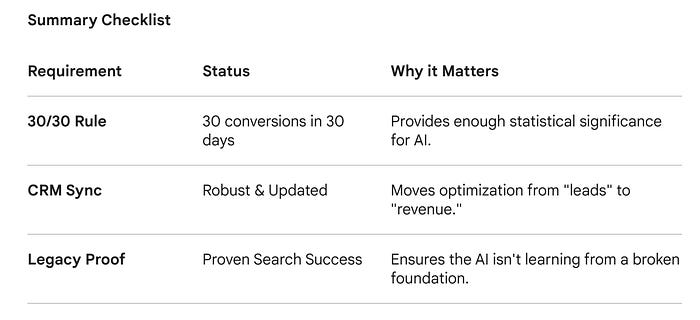
Once you’ve earned 6 quality lead conversions in 30 days, switch back to Maximize Conversions and monitor closely.
Once you hit 30 quality conversions in 30 days, you’ve given Google enough signal to graduate to Performance Max.
If you’re just starting out, this baseline may be all you have to work with. But if you’ve got CRM data, that’s where things begin to really takeoff!
2. Connect Your CRM Data
This is the step most advertisers skip — and it’s the one that separates wasted spend from real ROI.
By integrating CRM data, you allow Google Ads to optimize against meaningful conversion signals: MQLs (Marketing Qualified Leads), SQLs (Sales Qualified Leads), and Closed-Won deals. That means Google stops chasing cheap clicks and starts chasing buyers who look like your actual customers.
CRM integration also unlocks Customer Match lists in Audience Manager, which let you:
Build similar audiences from your MQL, SQL, and Closed-Won data to feed into PMax.
Exclude junk and spam leads by uploading them as a suppression list.
In short: giving Google your CRM data gives you more control over Google’s targeting — not less.
“But What About Search Themes and Interest Targeting?”
Great question — and a fair one.
Search themes are broad. Really broad. Take a theme like “roofing contractors.” That can absolutely target homeowners looking to hire one… but it can just as easily pull in contractors shopping for roofing supplies. User intent gets muddy fast.
As for interests, Google now politely refers to them as “suggestions” — which tells you everything you need to know about how literally the algorithm takes them.
This is exactly why CRM data matters. When you layer real customer data on top of Search themes, demographics, and interests, you narrow the broad targeting gap that Google created in the first place.
Final Thoughts
The more we work with AI, the more one truth becomes obvious: AI is only as good as the data you feed it.
When you hear an advertiser shout “PMax sucks!” in frustration, chances are they’re running it on nothing but Search themes, demographics, and interests — no real conversion data, no CRM integration, no customer match lists. That’s not AI optimization. That’s AI guessing. And when people talk about AI “hallucinating,” this is one of the ways it happens in the ad world.
Google Ads’ AI is built to optimize for the lowest possible cost per click and per lead. The problem? Cheap leads are rarely qualified leads. Your job as an advertiser is to help Google qualify the right users by giving the algorithm real data to learn from.
Do that, and PMax stops being a spam magnet — and starts being a revenue magnet it was originally promised to be. 🙂